Twenty-two patents, one organ
Twenty-two patent abstracts propose ways to affect the thymus gland, using approaches ranging from light and vibration to herbal compounds and probiotics. These are invention claims; the compilation does not establish that the proposed therapies work.
US patent publication; document page 2. Preserved page.
The dossier's implicit claim is aggregative: that a substantial body of patent activity exists around "thymus therapies," particularly "natural methods." What the page actually delivers is a set of applicant assertions, each one an abstract-level description of an invention. The compilation is the editorial act; the science, if any, sits inside the individual filings.
The supplied text lists 22 entries, though the page heading advertises "20+." The geographic spread is dominated by Chinese filings (CN), with a smaller number of US, WO/PCT, DE and RU documents. That concentration is itself a finding about where thymus-directed patenting activity is being filed.
Background: the thymus and thymic involution
The thymus is the primary lymphoid organ in which T-lymphocytes mature. It sits in the anterior superior mediastinum, behind the sternum and above the heart — a location that matters for this dossier, because several entries propose delivering energy (light, shock waves, vibration, laser) through the chest wall to reach it. See Thymus Gland for the organ's anatomy and immune role.
The recurring mechanistic target across the dossier is Thymic Involution: the age- and stress-related shrinkage of thymic tissue, with loss of thymic mass and reduced output of naive T-cells. Several entries explicitly claim to reduce or reverse atrophy, recover thymus weight, or restore thymus function. This is the single most repeated claim family in the compilation.
The four claim families
The 22 entries fall into four loose groups. The grouping is analytical, not the compiler's — the dossier presents them as a flat list.
1. Organ-weight endpoints as immune proof
A cluster of entries uses thymus weight, spleen weight, or the ratio of organ weight to body weight (the Thymus Index and Spleen Index Assay) as the readout for immune restoration in rodents. This is the dominant evidentiary convention in the dossier, and it explains why so many entries look structurally similar.
- CN115364127 — Lactobacillus plantarum and prebiotic compound. Combines L. plantarum DMDL9010 with fructo-oligosaccharide FOS95. Claims recovery of fur, intestinal wall thickness, intestinal villus length, spleen and thymus indexes to normal levels, restoration of neutrophil/erythrocyte/lymphocyte percentages, and increases in serum IgA, IgG, IgM, IFN-γ, IL-2, IL-4, IL-10 and intestinal SIgA in immunosuppressed mice. This is the most specific and internally consistent claim set in the dossier, but it remains an abstract-level assertion about mice.
- CN102688312 — Chinese medicinal herb agent with antitumoral effect. Nine ingredients (ginseng, ganoderma, Scutellaria barbata, Catharanthus roseus, horehound, Salvia chinensis, Herba Rubiae Yunnanensis, caulis milletiae, taurine). Claims to "remarkably increase the thymus and spleen weights as well as the thymus and spleen indexes of a cyclophosphamide immunosuppressed rat," plus macrophage cytophagy and hematopoietic effects. The abstract asserts "clinical tests" without reporting any.
- CN102429951 — Flavone-saponin extract of humifuse euphorbia herb. Claims activity against mouse uterine cervical cancer (U14) and effects of "improving thymus gland organs and promoting the growth of immune organs."
- CN111617110 — Research method for kidney-tonifying pharmacological action of wood frog oil freeze-dried powder. A method patent that measures carbon-particle clearance by the reticuloendothelial system and weight indexes of reproductive and immune organs including thymus and spleen in young male mice.
- CN103483458 — Extraction of polysaccharides from Lentinus edodes stems (lentinan). Claims immunity enhancement, delayed ageing via opposing "thymus and spleen atrophy caused by qi-blood deficiency," and antioxidant activity.
None of these entries reports effect sizes, statistics, or independent replication. The endpoint is indirect and non-clinical.
2. Manufacturing processes (the only reproducible entries)
Two entries describe thymosin purification processes with concrete, reproducible parameters. These are manufacturing patents, not efficacy patents, and they are the only entries in the dossier with enough technical detail to be evaluated on their own terms. See Thymosin for the distinction.
CN103450356 — Preparing method of high-purity thymosin
  fetal calf thymus : purified water = 1 : (1–3) mass ratio
  pH 2.5–3.5 (adjusted with hydrochloric acid)
  colloid mill gap 8–9 µm → grind to homogenate
  adjust homogenate pH to 2.5–3.5 (HCl); grind again → thymus homogenate
  heat thymus homogenate to 78–82 °C
  cool; adjust pH to 6.5–6.8 (NaOH)
  centrifuge → supernatant
  ultrafiltration of supernatant → thymosin ultrafiltrate
  concentrate at ≤60 °C to ≥ half the original ultrafiltrate volume
  6000-Dalton ultrafiltration membrane → high-purity thymosin solution
CN101921331 — Method for preparing thymosin
  wash thymosin clean with buffer pH 3.5–4.0
  add buffer pH 3.5–4.0; low-temperature homogenization → thymosin homogenate solution
  thermotropic centrifugation to remove protein impurities
  adjust supernatant pH to 4.5–5 (HCl); centrifuge again
  adjust supernatant pH to neutral
  filter neutral supernatant through different filter membranes
    to remove impurities and bacteria
  freeze-dry → finished thymosin product
3. Device and energy-based stimulation
A cluster of entries proposes stimulating the thymus with physical energy rather than a drug. The mechanisms are mutually incompatible and no entry acknowledges the others.
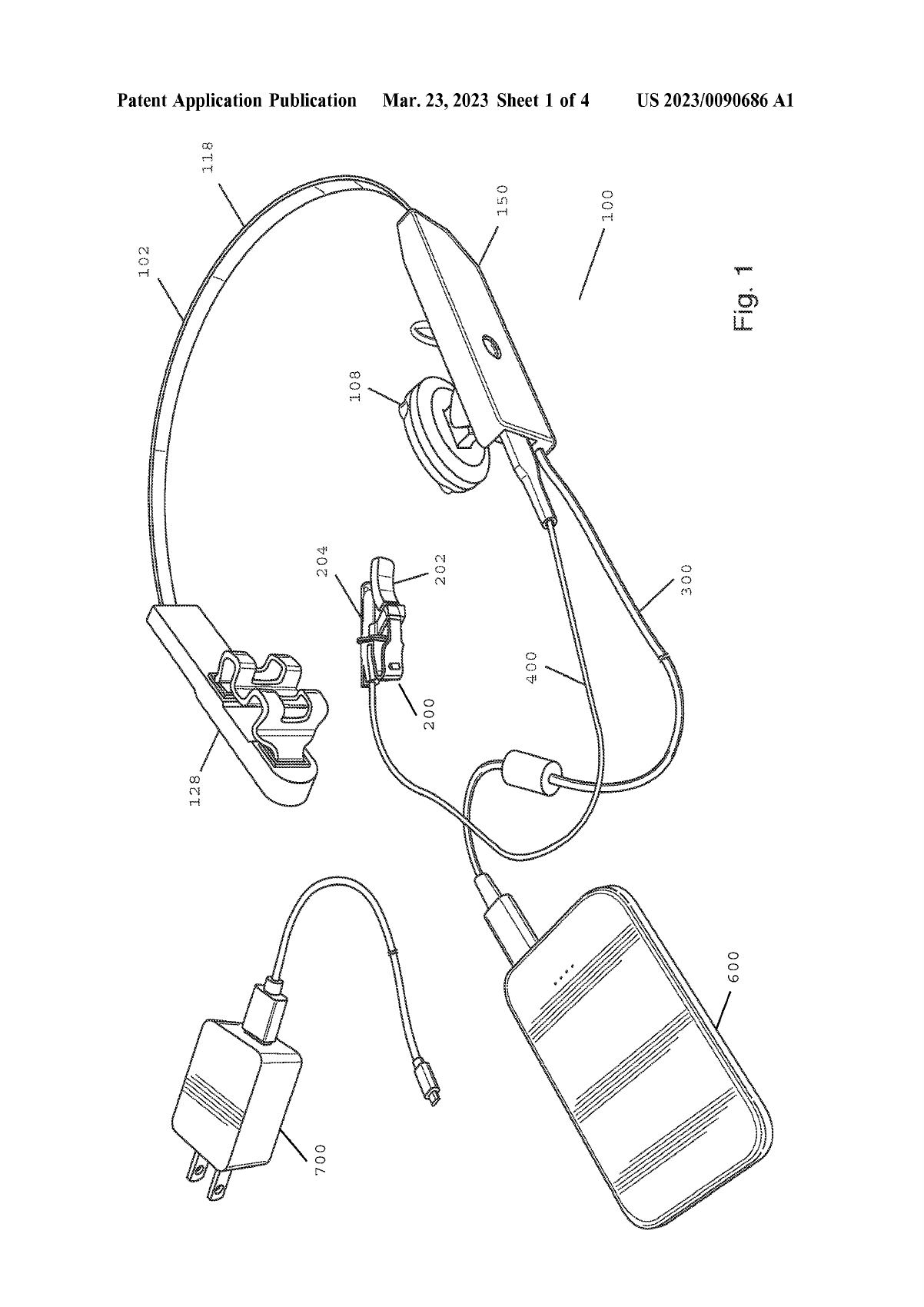
- US2023090686 — Photobiomodulation system and method for improved immunity and treatment of respiratory tract infections. A self-administrable irradiation unit delivering light energy into at least one in-vivo target selected from the thymus gland, sternal bone marrow and lungs.
- US11826301 — Acoustic shock wave therapeutic methods. Administers focused or unfocused low-energy acoustic shock waves to a gland, acoustically coupled through gel or liquid, to modulate hormonal release — increasing low output, decreasing high output, or stabilizing erratic output. The gland is one of testicle, ovary, pituitary, adrenal, thyroid, thymus, pineal, parathyroid or hypothalamus.
- DE102008057479 — Immune defense stimulating method. Excites the thymus by mechanical (loudspeaker, linear magnet, piezoelectric), electrical (electrodes), electromagnetic (monochrome light from lasers, LEDs or OLEDs) and/or thermal (thermocouples) stimulation, transferring energy from a resonance body to the gland through the overlying skin. The device is optionally formed as a piece of jewelry made of platinum, gold, silver or stainless steel.
- US2015290075 — Thymus necklace. A necklace for "activating" the thymus gland, with a vibration mechanism comprising a vibration motor, a power source and an on/off button.
- US2004237586 — Use of a mixture of crystals for stimulation of the thymus gland. A mixture of natural ring silicates and natural silica.
- RU2221606 — Method of immunocorrection for patients suffering from thyroprivia. Irradiates the projection zones of the thymus and thyroid gland with low-intensity infrared laser at 0.89 µm wavelength, plus the projection zone of the vascular node in the left supraclavicular range, at 1500 Hz and no more than 2 W for 10 minutes.
4. Traditional Chinese medicine formulas and botanical extracts
The largest modality group. Several entries pair a multi-herb formula with a synthetic antibiotic.
- CN106177091 — TCM composition plus antibiotic for thymus diseases. Active ingredients: philippine flemingia roots, common andrographis herb, cherokee rose roots, Chinese mahonia stems, Zanthoxylum dissitum, caulis spatholobi, Codonopsis pilosula. The antibiotic is azithromycin. Claims to relieve thymus congestion, edema, hyperplasia and hypertrophy, and to lower thymus visceral indexes, with an effect "similar to that of Fuke Qianjin Tablets and azithromycin."
- CN106138374 — Gynecological herbal composition plus antibiotic for thymus diseases. Eight ingredients, again with azithromycin, for thymus hyperaemia, edema, hyperplasia and hypertrophy.
- CN111346186 — Integrated TCM therapy for mediastinum tumor. A 30-herb "antitoxic cooling" formula (honeysuckle flower, Japanese metaplexis, corydalis tuber, radix asparagi, radix sophorae tonkinensis, bluecalyx Japanese rabdosia, Anthriscus sylvestris, bistort rhizome, meadowrue root, kidney bean seed, spreading hedyotis, semen canavalie, radix actinidiae chinensis, Sanchagan, Scutellaria barbata, coix seed, Rheum officinale, radix stephaniae tetrandrae, radix angelicae sinensis, radix berchemiae giraldianae, fructus aurantii, radix paeoniae rubra and others). The abstract narrates a mediastinal tumor involving the thymus and contains non-standard terminology (see Limitations).
- CN104940213 — Use of ecdysone for animal thymus health. Claims ecdysone (preferably plant ecdysone) reduces thymic atrophy, maintains or improves lymphocytic function and immune systems, and can treat or prevent lymphopenia and recover thymus weight and function.
- US2002012708 — Use of artichoke (Cynara) extracts, optionally with Echinacea and/or nettle (Urtica) extracts, for medicaments treating diseases of the small intestine, bone marrow, thymus (dysfunction, aplasia or hypoplasia), spleen and lymph nodes, among a long list of other indications.
- RU2004123089 — Vegetable concentrate. A multi-extract concentrate (calendula, chamomile, St. John's wort, hawthorn, apple vinegar, Rhodiola rosea, maltose molasses, lactulose, berberis/wild ash, stevia, lemon, tomato paste) claimed to have a positive effect on the cardiovascular system, intestinal tract, head, thymus gland and neck-bones, plus antihypoxic, antistress and antioxidant properties.
Cosmetic and topical entries
Two entries invoke the thymus as a marketing rationale for a cosmetic or topical product:
- CN115414285 — Chest care essential oil. A topical oil (skin conditioner, chili oil, anti-inflammatory soothing agent, emollient, olive fruit oil) claimed to "supplement the nutrition required by the thymus cells" and promote breast blood circulation.
- CN105998252 — Breast enlarging compound preparation. Glycerin, vitamin E, almond oil, essence and radix puerariae extract, claimed to treat "female chest maldevelopment, thymus atrophy and other problems."
Grouping these under "thymus therapies" is the compiler's editorial choice, not a scientific taxonomy.
The WO2016097831 outlier
WO2016097831 — Treatment of cancer through electronically chemical infusion, using a newly adaptive language of bio/signaling cellular communications — is unlike every other entry. It describes a medical device for treating cancer through "solar sonic electromagnetic chemical" infusion, claiming that "all cancerous toxic components will undergo a form of physiological/genetic/reverse engineering," that potential pharmacological toxicity will be "chemically reformulated and recondensed," and that the device promotes cytostasis, impairs mitosis, infuses cytochrome C-protein, and programs T-lymphocytes, B-lymphocytes and the thymus gland while inducing apoptosis — simultaneously with a medicament selected from a long list of unspecified agent classes (immunotherapeutic agents, immunomodulators, antigenic agents, angiogenesis inhibitors, vascular sealing agents, gene-therapy agents, antibiotic resistant modification agents, photodynamic therapy agents).
The language is not standard pharmacological vocabulary. It should be presented as an applicant's description, not as a mechanism.
Patent table
| Identifier | Title (as given) | Subject |
|---|---|---|
| CN115414285 | Chest care essential oil and preparation method | Topical oil; claims to "supplement the nutrition required by the thymus cells" |
| CN115364127 | Lactobacillus plantarum and prebiotic compound | Probiotic + FOS95; thymus/spleen index in immunosuppressed mice |
| US2023090686 | Photobiomodulation system and method for improved immunity | Light delivery to thymus, sternal bone marrow, lungs |
| CN111346186 | Integrated TCM therapy for mediastinum tumor | 30-herb antitoxic formula; thymus lump narrative |
| CN111617110 | Kidney-tonifying pharmacological action of wood frog oil freeze-dried powder | Mouse immune-organ weight indices incl. thymus |
| US11826301 | Acoustic shock wave therapeutic methods | Shock waves to glands incl. thymus |
| CN106177091 | TCM composition + antibiotic for thymus diseases | Azithromycin + 7-herb formula |
| CN106138374 | Gynecological herbal composition + antibiotic for thymus diseases | Azithromycin + 8-herb formula |
| CN105998252 | Breast enlarging compound preparation | Glycerin/vitamin E/almond oil/essence/Pueraria extract; claims to treat "thymus atrophy" |
| WO2016097831 | Treatment of cancer through electronically chemical infusion | Device + drug; "programming" T/B cells and thymus |
| CN104940213 | Use of ecdysone for animal thymus health | Ecdysone reduces thymic atrophy |
| US2015290075 | Thymus necklace | Vibrating necklace to "activate" the thymus |
| CN103483458 | Extracting polysaccharides from Lentinus edodes stems | Lentinan; opposes thymus/spleen atrophy |
| CN103450356 | Preparing method of high-purity thymosin | Fetal calf thymus homogenate process |
| CN102688312 | Chinese medicinal herb agent with antitumoral effect | 9-ingredient formula; raises thymus/spleen weights in rats |
| CN102429951 | Flavone-saponin extract of humifuse euphorbia herb | U14 cervical cancer in mice; "improving thymus gland organs" |
| CN101921331 | Method for preparing thymosin | Buffer/homogenization/freeze-dry process |
| DE102008057479 | Immune defense stimulating method | Mechanical/electrical/EM/thermal thymus excitation; jewelry-form device |
| RU2004123089 | Vegetable concentrate | Multi-extract concentrate; "positive effect on… thymus gland" |
| RU2221606 | Method of immunocorrection for thyroprivia | Low-intensity IR laser (0.89 µm) to thymus/thyroid projection zones |
| US2004237586 | Use of a mixture of crystals for stimulation of the thymus gland | Natural ring silicates + silica |
| US2002012708 | Use of artichoke (Cynara) extracts | Cynara ± Echinacea/Urtica; thymus dysfunction/aplasia/hypoplasia |
Limitations and unresolved questions
Abstracts only. Every entry is an abstract. No entry supplies a full specification, claims, prosecution history, grant status, clinical data, or independent verification. The dossier is patent-abstract-level material only. This is a textbook case of Patent as Evidence: an abstract asserts, it does not demonstrate.
No named inventors or assignees. Not one entry in the supplied text names an inventor, assignee, filing date or grant status. This is a significant evidentiary gap.
Translation artifacts. Several abstracts contain garbled or non-standard technical language. CN111346186 refers to "amphetamine resistance… amphetamine is a carcinogenic source" and to "phosphodeoxygenase" and "phosphonate dehydrogenase" in ways that do not correspond to coherent biochemistry. This is a caveat about the source text, not evidence about the inventions.
Internal tension: "natural methods" vs. antibiotics. The dossier's framing emphasizes natural approaches, yet CN106177091 and CN106138374 both pair herbal formulas with azithromycin, a synthetic macrolide.
Internal tension: mechanism pluralism. The same organ is claimed to be stimulated by light, sound, vibration, crystals, lasers, electrodes, heat, probiotics, ecdysone, lentinan, artichoke and a 30-herb decoction. No entry acknowledges the others or reconciles mechanisms.
Category confusion. CN105998252 (breast enlargement) and CN115414285 (chest skin care) are cosmetic products that invoke the thymus as a marketing rationale; CN111346186 is an oncology narrative. The grouping is editorial.
Count discrepancy. The page heading claims "20+ patents"; the supplied text lists 22 entries. The count has not been verified against the live page.
Related work
This dossier can be read alongside the BSCT tooth-whitening dossier, the bone-glue dossier and the Si₂HSb₂ amplifier dossier. These compilations require the same distinction between applicant assertions and clinical or independently measured evidence. See the thymus-therapy claims-versus-evidence comparison for the detailed breakdown.
Source notes & attribution
- Rex Research, "Thymus Therapies : 20+ patents for natural methods," https://rexresearch.com/ThymusTherapies/ThymusTherapies.html , retrieved 2026-09-17.
- Patent documents cited above by identifier (CN, US, WO, DE, RU series), as listed in the source page.
- This is a Rex Research compilation page titled "Thymus Therapies : 20+ patents for natural methods," retrieved from https://rexresearch.com/ThymusTherapies/ThymusTherapies.html on 2026-09-17. It is not an authored article. It is a bare listing of patent titles and abstracts, assembled under a single keyword — the thymus gland — with no introduction, no commentary, no inventor names, no assignees, no filing or grant dates, and no analysis.
- https://rexresearch.com/ThymusTherapies/ThymusTherapies.html